







Search Results for: Oral Liquid

Harbin Pharmaceutical Factory No.6's viral coffee accused of violations: oral liquid in latte sparks safety controversy, blue bottle drinks removed from shelves
During the May Day holiday, the former site of Harbin Pharmaceutical Group's No. 6 Factory, known as Harbin's "Northeast Louvre," became a popular photo spot. A coffee shop opened in its first-floor lobby launched two distinctive drinks — pairing Harbin Pharmaceutical Group's iconic small blue-bottle oral liquid with coffee to create a Blue Bottle Latte containing calcium gluconate and a Zinc Wish Latte containing zinc gluconate. However, this creative idea sparked consumer concerns about medication safety: the oral liquid's instructions explicitly warn against taking it with milk or caffeine, and both products are Class A over-the-counter drugs, not substances that can be used as both food and medicine. Under China's Food Safety Law, drugs may not be added to food, and the coffee shop's preparation method may violate regulations. Currently, the blue-bottle coffee has been taken off the menu, though it remains unclear whether this is a temporary sellout or a permanent discontinuation. [more…]
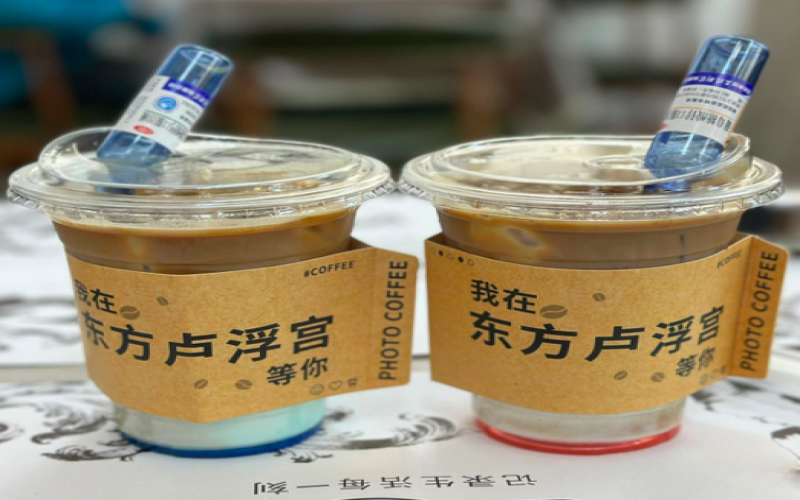
Harbin Pharmaceutical Factory No.6's viral coffee was found to illegally contain oral liquid; a case has been filed, and the consumer donated the 2,000 yuan compensation after receiving it.
In May of this year, a tourist discovered two specialty drinks at a coffee shop in the Harbin Pharmaceutical Group No. 6 Factory scenic area — Blue Bottle Latte and Zinc Wish Latte — which had been supplemented with calcium gluconate and zinc gluconate oral solutions, respectively. Since these two oral solutions are Class A non-prescription drugs, adding them directly to food products is suspected of violating the Food Safety Law. After a consumer reported the matter to 12315, the local market supervision bureau opened a case on May 14. The consumer subsequently received multiple phone calls from the bureau and eventually signed documents in August confirming receipt of compensation and a reward totaling 2,000 yuan, which was donated to the Hebei Red Cross. The incident sparked heated discussion online, with some questioning whether the consumer was making a mountain out of a molehill, while others insisted that food safety is no small matter. [more…]

Does Brain Gold Coffee really contain oral liquid? What's the story behind this new product?
Naobaijin has once again made its presence felt in the coffee world. This time, it's not just a simple co-branded paper cup—they've actually added Naobaijin oral liquid to the coffee. On November 10, Naobaijin officially announced on Xiaohongshu the launch of a special coffee containing Naobaijin ingredients, which would be sold in limited quantities at a pop-up store on Double Eleven. As soon as the news broke, netizens were both curious and confused: Naobaijin is known for aiding sleep, while coffee is for waking up—what kind of combination is that? The official response stated that what was added was Naobaijin oral liquid, which has a bowel-lubricating and laxative function, not the sleep-aid capsules, and that the amount used per cup had been scientifically calibrated to avoid any functional conflict. So, how does this coffee taste? And what has Naobaijin's journey in the coffee arena been like? Let's take a look. [more…]
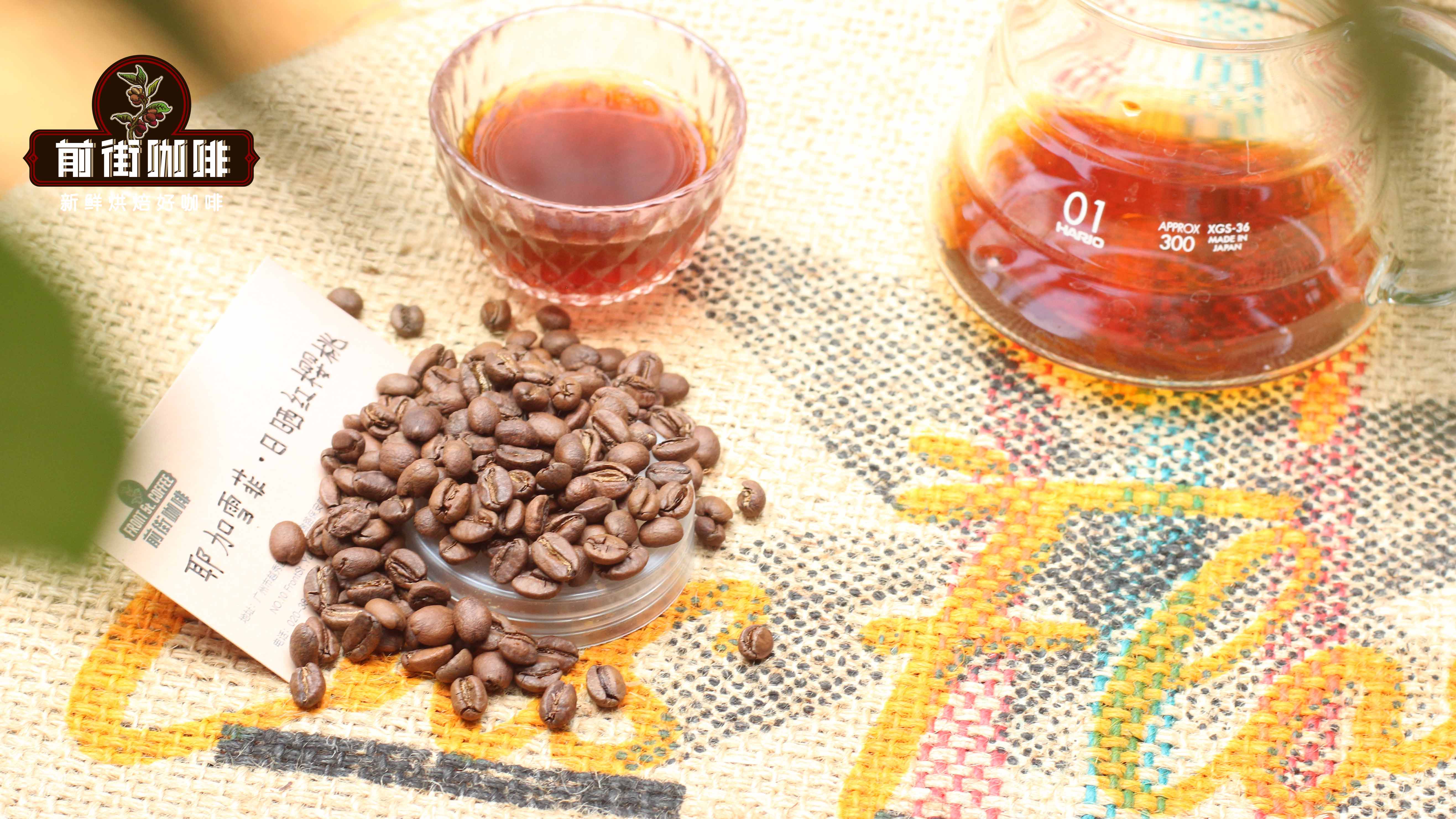
Pour-over espresso has a rich aroma but tastes bitter on the palate? Analyzing the difference between smelling and tasting from a sensory mechanism perspective
Many coffee enthusiasts, when grinding and brewing specialty coffee, are drawn in by alluring aromas like strawberry, jasmine, citrus, and honey, yet after one sip, they often taste pronounced bitterness and acidity, a far cry from the expected sweetness. This phenomenon of smelling fragrant but tasting bitter actually stems from the different sensory systems we engage when smelling versus tasting. This article, starting from this topic often discussed at Front Street, will analyze in detail the mechanisms of orthonasal and retronasal olfaction, explain the changes in aroma compounds within the oral cavity, and why the impact of taste overshadows aroma perception. At the same time, we will also share a simple and practical tip—closed-mouth exhale—to help you capture richer layers of aroma after swallowing coffee, and demonstrate flavor expression with practical examples. [more…]
Where Does Coffee Astringency Come From? How to Solve Sour-Astringency and Bitterness Through Brewing Adjustments
When drinking coffee, a numb tongue and dry mouth—this rough tactile sensation is astringency. Astringency is not a taste but a tactile feedback caused by friction between the coffee liquid and the oral cavity. Its root lies in the excessive release of polyphenolic compounds in coffee beans—especially chlorogenic acid—which bind with salivary proteins and weaken lubrication. Astringency often interweaves with acidity and bitterness, forming sour-astringent or bitter-astringent notes. This article will begin with the causes of astringency, explain its relationship with extraction state, analyze which astringency counts as a quality characteristic, as well as the astringency that green beans themselves may bring, and offer specific ideas for improvement by adjusting extraction efficiency. [more…]

Why Drink Iced Water Before Coffee Tasting? The Origins of Espresso with Iced Water and an Analysis of Its Applicability to Pour-Over
When ordering at a café, you'll often see a glass of ice water served alongside an espresso, and many enthusiasts are in the habit of drinking ice water before their coffee. Can this glass of ice water actually help us perceive coffee flavors more clearly? Front Street Coffee will approach this from the perspective of oral sensory cleansing, explaining how ice water enhances the tasting experience by rinsing away residue, stimulating saliva production, and numbing the palate through low temperature, while also tracing the origins of this practice in espresso culture. It will also discuss whether pour-over coffee is suited to the same approach, and why room-temperature water is gentler on the stomach and intestines. [more…]

An Introduction to Pour-Over Coffee Tasting: From Aroma to Mouthfeel, How to Read a Cup of Coffee
Compared to the straightforward expression of espresso, pour-over coffee presents its flavors more subtly, and tasting it requires more patience and method. From the perspective of Front Street, this article systematically sorts out the tasting path for pour-over coffee: from the dry aroma after grinding to the wet aroma during brewing, from the sweet, sour, bitter, and salty tastes brought by water-soluble substances to the flavor identification involving retronasal olfaction, and then to the mouthfeel experience determined by insoluble substances. The article also analyzes the causes of richness and thinness, the sources of astringency, and the influence of roast level on mouthfeel, helping coffee enthusiasts establish a correct tasting framework before identifying specific flavors and find a more efficient way to perceive them. [more…]

Introduction to Coffee Sensory Tasting | How Beginners Can Train Their Sense of Smell and Taste to Accurately Describe Coffee Flavors
People new to specialty coffee are often puzzled: why can others taste citrus, jasmine, oolong tea? Can a cup of coffee really have so many flavors? In fact, the key to identifying coffee flavors lies not in the taste buds, but in the sense of smell. This article will take you from the principles of sensory perception to understand how the taste buds and orthonasal and retronasal olfaction work together, introduce tasting dimensions such as aroma, sweetness, acidity, mouthfeel, flavor, aftertaste, and balance, and offer sensory-training methods that beginners can put into practice—building a flavor memory bank, making good use of the coffee flavor wheel, exercising associative thinking, accumulating through more exchanges, and paying attention to diet and upkeep. The article also combines examples from Front Street Coffee to help you build your own sensory system step by step. [more…]

How to Systematically Taste a Pour-Over Coffee: Methods for Identifying Aroma, Flavor, and Mouthfeel
Faced with a cup of pour-over coffee, many people are at a loss as to where to begin tasting. In fact, coffee tasting has both a subjective side of personal preference and objective standards that can be shared and discussed. Starting from a daily question at a Front Street store, this article sorts out the three core dimensions of tasting specialty coffee: volatile aroma, taste, and mouthfeel, and explains the difference between dry aroma and wet aroma, the role of retronasal olfaction, the range of tastes the taste buds can perceive, and the influence of the aftertaste on the overall experience after swallowing. Whether you are new to specialty coffee or currently learning to taste, you can use this to build your own sensory framework and expand your flavor memory bank through daily accumulation. [more…]
Analyzing Chlorogenic Acid in Coffee: Health Benefits, Content Differences, and Scientific Drinking Recommendations
Coffee is not only a refreshing beverage but also rich in various beneficial components. From the perspective of chlorogenic acid, this article systematically reviews the health value of coffee. As a key antioxidant, chlorogenic acid is widely present in green coffee beans and possesses multiple biological activities, including antibacterial, antiviral, and cardiovascular-protective effects. The article provides a detailed introduction to the chemical structure, plant sources, medical applications, and toxicity of chlorogenic acid, and compares changes in chlorogenic acid content across different coffee varieties and roast levels. Finally, based on extraction experimental data, it offers practical advice for daily coffee consumption. Whether you are a coffee enthusiast or a reader concerned with healthy eating, you can gain a scientific and objective understanding of coffee from it. [more…]

When Iced Americano Meets Raw Oysters: Looking at the Boundaries and Controversies of Creative Coffee Through the "Oyster-Bitter" Specialty Drink
Iced Americano has been reinvented in increasingly wild ways by netizens in recent years, from mixing Huoxiang Zhengqi liquid into an Americano to today's jaw-dropping oyster iced Americano—the boundaries of creative coffee are being pushed further and further. For professional coffee knowledge exchange and more coffee bean information, please follow Coffee Workshop (WeChat public account: cafe_style). For more specialty coffee beans, please add our private WeChat account Front Street Coffee (FrontStreet Coffee), WeChat ID: qjcoffeex. This article will walk you through how this iced Americano called "Oyster Bitter" came to be, as well as the increasingly absurd creative trends in today's specialty coffee drinks, and explore the balance between chasing hype and preserving the essence of coffee in creative coffee. [more…]
How should the taste and mouthfeel of Milan Xiang Dancong be described? Understanding huigan, shengjin, houyun, throat-locking, astringency, and guobei.
To accurately describe the taste and mouthfeel of a tea, just saying "it's good" is far from enough. The terms commonly used in tea tasting—huigan (returning sweetness), shengjin (salivation), houyun (throat rhyme), suohou (throat lock), astringency, and guabei (cup-clinging aroma)—each have clear meanings and criteria for judgment. This article breaks down these tasting concepts one by one, helping you describe the true sensations in your mouth and throat with more precise language when introducing Milan Xiang Dancong, while also avoiding poor-quality teas when actually selecting tea. [more…]
A Comprehensive Analysis of the Specialty Coffee Scoring System: COE and SCA Cupping Protocols, Scoring Rules, and Grading Standards
Whether a cup of coffee can be crowned with the name "specialty" is by no means decided by cupping alone. From the origin of the green beans, screening and processing, to roasting and brewing, every stage requires careful control, so that the flavor in the cup ultimately presented can reflect the characteristics and cultural heritage of the producing country. This article will systematically sort out the two major cupping scoring systems, COE and SCA, and break down one by one the points to note for each scoring element, including cleanliness, sweetness, acidity, body, flavor, aftertaste, and balance, as well as explain in detail the defect scoring rules and grading standards. Front Street will also draw on years of quality control experience to help you use evaluation grades as a reliable reference for judging specialty coffee when purchasing coffee. [more…]
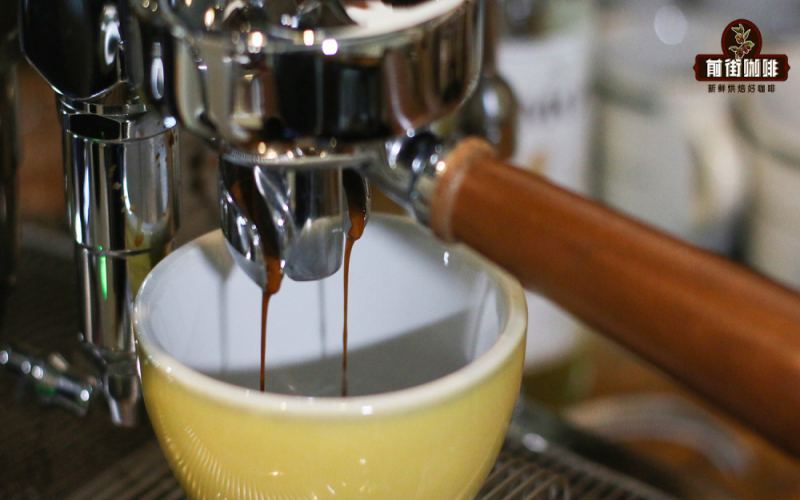
Espresso Tasting Guide: From Proper Drinking Method to a Comprehensive Analysis of Caffeine Content
Espresso serves as the foundation of Italian coffee, known for its high concentration and focused flavor. It can be enjoyed on its own and also forms the base for classic coffee drinks like lattes and cappuccinos. A standard single shot of espresso is about 30 milliliters, contains roughly 100 milligrams of caffeine, and has a concentration of 9% to 11%, far higher than pour-over coffee. Faced with such a powerful cup, many people are unsure how to properly taste it. Starting from the definition of espresso serving sizes and caffeine data, this article breaks down in detail the aroma, mouthfeel, and aftertaste to focus on during tasting, and includes specific steps such as cleansing the palate, stirring, drinking in stages, and closed-mouth aeration. It also recommends two coffee beans—Front Street Coffee's Strawberry Candy and the Classic Italian Blend—to help enthusiasts more fully appreciate the charm of espresso. [more…]
Pour-Over Coffee Tasting | Does Coffee Taste Differ with Different Cup Shapes? Which Cup Shape of Coffee Tasting Cup Should Be Paired for Tasting Different Coffees?
As the saying goes, a good horse deserves a good saddle, and good tea belongs in a fine jar. As the main vessel for holding coffee, the impact of different cup designs on tasting has gradually drawn people's attention. Some coffee shops even spend lavishly on a set of coffee cups dedicated to serving, in order to create a dual experience for the eyes and the palate. Just like wine, cups [more…]

Espresso Beginner's Guide: A Complete Analysis from Origins and Evolution to Tasting Steps
Espresso is both unfamiliar and full of challenges for most people, and the intense bitterness brought by its high concentration often deters beginners. However, as long as you master the correct way to taste it, espresso can also reveal rich and captivating layers of flavor. From the perspective of Front Street Coffee, this article systematically sorts out the historical origins and evolution of espresso, explains in detail the three major tasting dimensions of aroma, mouthfeel, and finish, and provides a complete set of operating steps from rinsing the mouth with ice water and stirring the crema to taking a large sip, helping coffee lovers truly appreciate the unique charm of this classic Italian beverage. [more…]
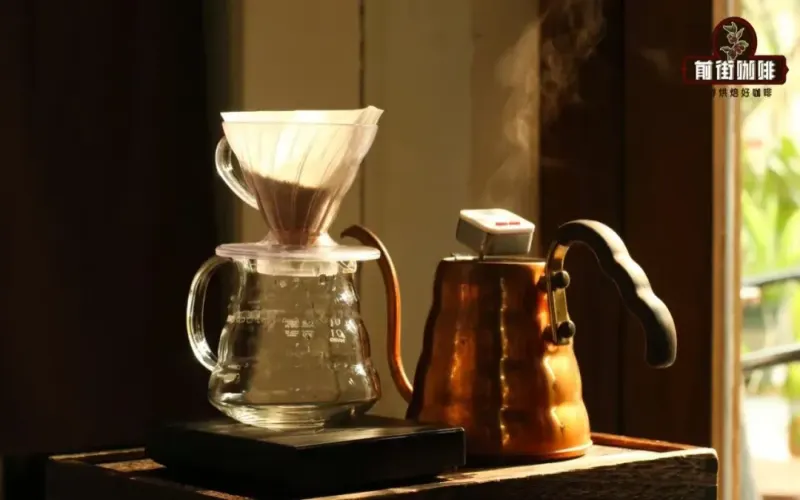
Barista Tasting Primer: Where Does the Sweetness in Black Coffee Come From? Practical Pour-Over Tips for Strawberry Candy
Many friends who are just getting into coffee have this question: coffee has no sugar added, so why do some people say it's sweet? In fact, the sweetness of coffee is not sugar directly picked up by the taste buds, but a combined sensory experience formed by taste, smell, and association working together. From the perspective of Front Street, this article systematically explains the sources of coffee sweetness—including the transformation of sugars in green beans during roasting, the sweet aftertaste effect brought by the contrast between acidity and bitterness, and how retronasal olfaction leads us to associate sweetness with certain foods through aroma. At the same time, the article also shares practical tips in three areas—bean selection, brewing, and tasting—to help you perceive sweetness more clearly in black coffee, and includes extraction suggestions for beans such as Front Street Strawberry Candy. [more…]

Coffee Sensory Tasting | How Can Coffee Novices Learn to Describe Coffee Flavors from Different Angles? How to Properly Develop Coffee Flavor Tasting Skills?
"This coffee has a rich fruity profile, with notes of citrus, lemon, oolong tea, and jasmine!!!" For someone who has just been introduced to specialty coffee, this might sound unbelievable—how can you taste so many flavors in one cup of coffee! (Are they just making it up?) In this installment of Barista Growth Diary, we'll share a little [more…]
From Smell to Touch: A Practical Path to Systematically Building Your Personal Coffee Sensory Skills
Coffee tasting goes far beyond taste—it is a coordinated experience of sight, hearing, touch, smell, and taste. This article starts from the interactive setting of a specialty coffee shop and delves into how to train and build your own coffee sensory system through daily accumulation and professional tools. You will learn how smell pulls on taste memory, how the tongue distinguishes the five basic tastes, how touch perceives body and smoothness, and how to use aroma kits such as the 36-aroma coffee nose and the 100-flavor flavor map for deliberate practice. Whether you are a coffee enthusiast or a professional, this method can help you read the flavors in the cup more clearly, making every tasting more enjoyable and more precise. [more…]
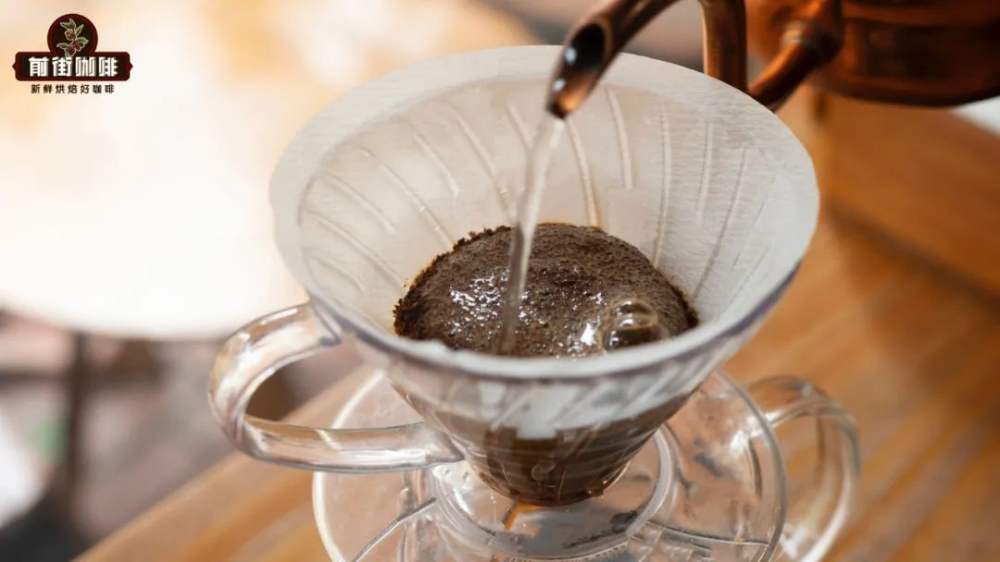
Pour-Over for Dark Roast Coffee | Which Coffee Dripper Suits Dark Roasted Beans? How Do You Adjust Water Temperature and Coffee-to-Water Ratio to Bring Out the Richness of Dark Roasted Beans?
In yesterday's article sharing flavor descriptions, the section on "body" sparked a big response among coffee lovers, and a friend asked via the backend: his deep-roasted coffee tastes rather thin—what methods can enhance the coffee's body? Let's revisit the basics: body refers to the mouthfeel of the coffee liquid in the oral cavity. [more…]